
Thursday, April 11, 2024

Tracing the Progress: The Evolution of Lab Products in Medical Research

Depict the evolutionary timeline of laboratory products used in medical research. Start with the rudimentary tools applied in the early stages and progress to the highly advanced ones we use today. Show this progression by illustrating various scenarios denoting different time periods. For example, the early stage could show a middle-eastern male scientist using primitive glassware and a basic microscope, transitioning to a Hispanic female scientist in mid-century with improved technologies like petri dishes and electric microscopes. Finally, depict a futuristic lab with a South Asian female scientist using state of the art technologies like Genetic sequencing machines and AI-assisted analysis platforms.

Tracing the Progress: The Evolution of Lab Products in Medical Research

The landscape of medical research is ever-evolving, with lab products undergoing rapid transformations to keep pace with the advancing frontiers of science. This journey through the evolution of lab products not only reflects the technological advancements but also underscores a paradigm shift in how research is conducted, aiming towards precision, efficiency, and safety.

From Glass to Plastic: A Revolution in Material

The early 20th century labs were dominated by glassware. However, the latter half of the century saw a significant shift towards plastic. This transition was fueled by the need for more durable, less costly, and disposable alternatives to glass. Plastics like polyethylene, polystyrene, and polypropylene have transformed the landscape of lab products, introducing a range of disposable pipettes, Petri dishes, and more. This evolution not only reduced the risk of contamination but also improved the efficiency of experiments by eliminating the need for constant cleaning.

The Rise of Automation in Medical Research

As the complexity and volume of experiments grew, manual processes became a bottleneck for progress. This led to the integration of automation in laboratories, revolutionizing the throughput of experiments. Automated liquid handling systems, high-throughput screening (HTS) technologies, and robotic systems have now become staples in many research labs. Automation has not only enhanced the precision and reproducibility of experiments but also significantly reduced the time and labor involved in traditional methods.

Digital Integration and the Era of Smart Labs

The dawn of the 21st century marked the beginning of digital integration in lab products, introducing the concept of 'smart labs'. This era is characterized by the use of software and digital tools to enhance data collection, management, and analysis. The introduction of Laboratory Information Management Systems (LIMS), electronic lab notebooks (ELN), and cloud computing has transformed data accessibility, sharing, and security. This digital revolution has essentially made research more collaborative, efficient, and data-driven.

The Advent of Precision Tools: CRISPR and Beyond

The development of precision tools such as CRISPR-Cas9 for genome editing marks a significant milestone in the evolution of lab products. CRISPR technology has enabled researchers to edit genes with unprecedented precision, speed, and affordability. This breakthrough has not only opened new avenues in genetic research but also holds the promise of transformative treatments for genetic disorders. The evolution of lab products in genetic engineering is a testament to the rapid pace of innovation in medical research.

Sustainability: The Next Frontier in Lab Product Evolution

As the world becomes increasingly aware of environmental issues, sustainability has emerged as a key consideration in the design and use of lab products. Biodegradable plastics, energy-efficient equipment, and practices that reduce chemical waste are becoming more prevalent in labs around the world. This shift towards sustainability is not just about reducing the environmental impact but also about ensuring that the pursuit of scientific knowledge does not come at the expense of the planet's health.

Conclusion

The evolution of lab products in medical research is a fascinating journey that mirrors the broader trends in science and technology. From the transition from glass to plastic, the rise of automation, the digitization of lab processes, to the advent of precision tools and the emphasis on sustainability, each phase has significantly impacted how research is conducted. As we stand on the cusp of future innovations, it is clear that the evolution of lab products will continue to be an integral part of the advancement of medical research, paving the way for new discoveries and breakthroughs that will shape the future of healthcare.

Learn more about Narang Medical Ltd

Wednesday, April 10, 2024

Safeguarding Health: The Role of Autoclaves and Sterilizers

Illustration of an autoclave and a sterilizer in a clinical setting. The autoclave, a sealed device with gauges and buttons, should be sterilizing medical instruments. The sterilizer, a larger apparatus, should be decontaminating laboratory equipment. Healthcare professionals of diverse gender and race such as a caucasian female nurse and a black male doctor are utilizing these machines with care and precision. Include information bubbles that indicate the critical roles these systems play in maintaining health safety. Also, depict a backdrop of a clean and well-lit healthcare facility to underline the importance of sterilization in healthcare.

Safeguarding Health: The Role of Autoclaves and Sterilizers

Ensuring the sterility of medical instruments and materials plays a pivotal role in preventing infections and maintaining health safety standards. Autoclaves and sterilizers emerge as the cornerstone technologies in achieving the high level of disinfection required in various healthcare settings, laboratories, and even in tattoo parlors and beauty salons. Understanding their vital function in safeguarding health is crucial for professionals across various industries.

The Principle of Sterilization

At its core, sterilization involves eliminating all forms of microbial life, including viruses, bacteria, fungi, and spores, from surfaces, liquids, and compounds. Autoclaves and sterilizers accomplish this through different methods, such as steam under pressure, dry heat, chemical vapors, and ethylene oxide gas, among others. Each method has its specific applications, advantages, and limitations, but the most widely used and effective for a broad range of materials is steam sterilization.

Autoclaves: The Power of Steam and Pressure

Autoclaves are essentially pressurized devices that use steam to sterilize equipment and supplies. When objects are placed inside an autoclave, they are exposed to high-temperature steam (usually around 121-134°C) for a period of time, typically 15-20 minutes or more, depending on the items' volume and density. This process is highly effective for sterilizing surgical instruments, laboratory glassware, and other items that can withstand high temperatures and moisture.

The Varied Uses of Sterilizers

Sterilizers, including autoclaves, are employed in a wide range of contexts. In medical settings, they are indispensable for preparing instruments for surgery and other procedures, thus preventing postoperative infections. In laboratories, they ensure that glassware and instruments are free of contaminants that could interfere with research results. Dental practices, tattoo parlors, and beauty salons also rely on sterilizers to maintain a sterile environment, underlining their importance beyond traditional medical and research contexts.

Safety and Monitoring

While autoclaves and sterilizers are generally safe to operate, strict guidelines must be followed to ensure that they function correctly. Proper training for users, regular maintenance, and adherence to operating procedures are vital. Additionally, the use of biological indicators and chemical indicators can monitor and verify the effectiveness of the sterilization process, ensuring that all microbes have been successfully eradicated.

Challenges and Considerations

Despite their effectiveness, the use of autoclaves and sterilizers presents several challenges. The selection of the right method of sterilization for specific materials, managing the risk of heat-sensitive items, and ensuring the thorough drying of sterilized equipment to prevent recontamination are just a few considerations that must be managed. Additionally, with the growing concern about environmental sustainability, the energy consumption and chemical use associated with some sterilization processes are under scrutiny.

Conclusion

Autoclaves and sterilizers play a fundamental role in protecting health by ensuring the sterility of medical instruments and various other items. They are a critical component in the fight against infections in healthcare settings and beyond. As technology advances, it is vital to continue enhancing these tools' efficiency and sustainability, ensuring they remain effective guardians of public health in the face of evolving challenges.

Learn more about Narang Medical Ltd

Tuesday, April 9, 2024

Key Role of Anesthesia Equipment in Modern Surgical Practices

A detailed illustrative depiction of contemporary anesthesia equipment with its critical role in modern surgical environments. The image should show an operation room with a mixture of high-tech monitors, machines, tubes, and masks that are typically used in anesthetics. The anesthesia machine becomes the focal point of the image, with a diverse array of healthcare personnel, including a Caucasian male anaesthetist administering a patient under the surgical light while a Black female nurse oversees the monitors.

Introduction

The advent of modern surgical practices has significantly transformed the landscape of healthcare, offering groundbreaking treatments and increased chances of survival from various illnesses. This evolution wouldn't be possible without advancements in various medical domains, especially anesthesia equipment. Anesthesia plays a crucial role in medical procedures, enabling surgeries to be performed with minimal discomfort to the patient. This article explores the key role of anesthesia equipment in modern surgical practices, shedding light on its importance, advancements, and the future of surgical procedures.

The Essentials of Anesthesia Equipment

Types of Anesthesia Machines

Anesthesia machines are pivotal in administering gases or drugs to ensure patients are pain-free during surgical procedures. They have evolved from simple ether drips to sophisticated, computerized systems that can monitor patient vitals and adjust dosages in real time. Modern machines combine ventilators, suction units, and patient monitoring devices to offer a comprehensive solution for patient care during surgery.

Monitoring Equipment

Monitoring equipment is an integral part of anesthesia apparatus, providing real-time data on patients' vital signs, including heart rate, blood pressure, oxygen saturation, and respiratory rate. This information is critical for anesthesiologists to maintain the correct levels of anesthesia throughout the surgery, ensuring patient safety and comfort.

Advancements in Anesthesia Equipment

Recent advancements in anesthesia technology have focused on enhancing safety, efficiency, and patient comfort. Innovations such as closed-loop anesthesia systems, which automatically adjust the delivery of anesthetic agents based on continuous monitoring of the patient's state, are revolutionizing how surgeries are performed. Additionally, the integration of artificial intelligence and machine learning algorithms promises a new era where anesthesia machines can predict patients' responses to drugs, reducing the risk of complications.

Impact on Surgical Practices

Improved Patient Safety

The enhancements in anesthesia equipment have significantly reduced the incidence of anesthesia-related complications. Modern machines are equipped with numerous safety features, such as alarms and automatic shutoff mechanisms, that protect patients even in the event of human error. This has led to a higher level of trust in surgical procedures, encouraging more individuals to opt for surgeries that can improve or save their lives.

Expanded Surgical Possibilities

With the advanced control that modern anesthesia equipment offers, surgeries that were once deemed too risky or lengthy are now commonplace. Procedures on highly sensitive areas like the brain and heart have become safer, thanks to the precision and stability provided by current anesthesia technology. This has not only expanded the repertoire of surgical interventions available but also improved surgical outcomes.

The Future of Anesthesia Equipment

The continuous evolution of anesthesia equipment is poised to further enhance the efficiency and safety of surgical procedures. With ongoing research and development, future equipment will likely be more personalized, adapting not only to the general requirements of the procedure but also to the unique physiological characteristics of each patient. The integration of more sophisticated data analysis and automation could also minimize the potential for human error, making surgeries even safer.

Conclusion

Anesthesia equipment plays a pivotal role in the success of modern surgical practices. Its evolution from basic apparatus to sophisticated systems has been instrumental in improving patient safety, expanding surgical possibilities, and enhancing the overall efficiency of medical procedures. As technology continues to advance, we can anticipate even greater improvements in anesthesia equipment, promising a future where surgery is safer, more accessible, and more effective than ever before.

Learn more about Narang Medical Ltd

Monday, April 8, 2024

Emerging Trends in Medical Disposables for Increased Safety

An illustrative representation of emerging trends in medical disposables aimed at increasing safety. It could include diagrams of innovative bio-degradable syringes, high-grade sterilized surgical masks, and improved personal protective suits. The representations may depict how these items are being used in modern healthcare scenarios and the key features that enhance safety. Each component or item should be labelled appropriately to highlight its functionality and benefits. The backdrop could be a clean and organized medical environment to emphasize the importance of hygiene and safety in healthcare settings.

Emerging Trends in Medical Disposables for Increased Safety

In the dynamic landscape of healthcare, the emphasis on patient safety and hygiene has spearheaded the evolution of medical disposables. These products, designed for single use, play a pivotal role in preventing hospital-acquired infections (HAIs), enhancing patient care, and streamlining healthcare procedures. As a response to the growing demand for safer and more efficient medical treatments, several emerging trends have surfaced in the domain of medical disposables.

Biodegradable and Eco-friendly Materials

One of the most significant trends in medical disposables is the shift towards biodegradable and eco-friendly materials. With the increasing awareness of environmental issues, there's a growing emphasis on reducing medical waste. Manufacturers are now innovating with materials such as PLA (polylactic acid), which is derived from renewable resources like corn starch or sugarcane, to create disposables that are not only safe for patients but also kinder to the planet. This approach addresses the environmental impact of healthcare facilities without compromising sterility and effectiveness.

Smart Disposables with Integrated Technology

The integration of technology into medical disposables has opened a new frontier in patient care and diagnostic accuracy. Smart disposables, equipped with sensors and wireless connectivity, can now monitor patient vitals, detect abnormalities, and even track the usage of medical supplies in real-time. This innovation enhances patient safety by enabling timely medical interventions and reducing human errors. Moreover, it streamlines inventory management for healthcare facilities, ensuring an adequate supply of essential disposables.

Antimicrobial Additives for Infection Control

The incorporation of antimicrobial additives into medical disposables represents a critical advancement in infection control. These additives, which include metals like silver and copper or organic compounds, are embedded within the materials of disposables such as gloves, gowns, and masks. They actively kill or inhibit the growth of bacteria, viruses, and fungi upon contact, significantly reducing the risk of HAIs. This trend not only promotes patient safety but also supports healthcare workers by providing an additional layer of protection.

Customized and Patient-specific Disposables

The move towards patient-specific medical disposables is shaping the future of personalized healthcare. Customized disposables, designed to fit the unique anatomical and health needs of individual patients, are enhancing the efficacy and comfort of medical treatments. From tailor-made surgical instruments to personalized wound care kits, these disposables minimize the risk of complications and improve therapeutic outcomes. The ability to customize medical disposables also helps in accommodating diverse patient populations, including pediatrics and geriatrics, with varying sizes and care requirements.

Enhanced Packaging for Extended Shelf Life

Improvements in the packaging of medical disposables have played a crucial role in increasing their shelf life and ensuring safety during transportation and storage. Advanced packaging solutions, including vacuum sealing and the use of inert gases, protect sensitive disposables from contamination, moisture, and UV damage. This trend not only maintains the integrity of medical products but also reduces waste by extending the usability of disposables.

As the healthcare industry continues to innovate, the trends in medical disposables underscore a commitment to enhanced patient safety, environmental responsibility, and operational efficiency. Through continuous research and development, the future of medical disposables looks promising, offering new avenues for preventing infections, improving patient care, and making healthcare more sustainable.

Learn more about Narang Medical Ltd
Sunday, April 7, 2024

The Role of Diagnostic Tools in Early Disease Detection

Illustrate a detailed medical scene showcasing the role of various modern and advanced diagnostic tools in the process of early disease detection. Depict a diverse team of medical professionals, including a Caucasian male radiologist interpreting a CT scan, a Hispanic female pathologist examining samples under a microscope, a Middle-Eastern male doctor reviewing an ultrasound, and a South Asian female geneticist looking at a DNA helix on a computer screen. They could be situated in a brightly lit, well-equipped lab with medical charts, digital screens, and other essential tools around them.

The Role of Diagnostic Tools in Early Disease Detection

Early detection of diseases is a critical component of effective healthcare, significantly increasing the chances of successful treatment outcomes and, in many cases, survival rates. The role of diagnostic tools in identifying diseases at an early stage cannot be overstated. These tools have transformed the landscape of medical diagnosis and treatment, enabling healthcare professionals to identify diseases long before symptoms become apparent.

Types of Diagnostic Tools

Diagnostic tools come in various forms, each with its specific use case and importance. Imaging technologies such as X-rays, MRI scans, and CT scans allow for the visualization of the internal structures of the body, revealing abnormalities that may indicate the presence of disease. Blood tests and other biomarker tests can detect biochemical changes in the body that signal the early stages of diseases like cancer and diabetes. Meanwhile, genetic tests can uncover inherited susceptibilities to a range of conditions, enabling preventative measures or early interventions.

Advancements in Diagnostic Technologies

Recent years have seen remarkable advancements in diagnostic technologies. For instance, the development of high-resolution imaging techniques has significantly improved the accuracy of diagnoses. Additionally, the advent of point-of-care testing (POCT) devices has made it possible to conduct diagnostic tests at the patient's side, rather than in a centralized laboratory, thus speeding up the diagnosis process. Digital health tools, including AI-driven diagnostic algorithms, have the potential to further revolutionize the field by providing faster, and in some cases more accurate, diagnoses.

Impact on Early Disease Detection

The profound impact of diagnostic tools on early disease detection is most evident in the field of oncology. Screening tests such as mammograms and colonoscopies have proven effective in detecting early stages of cancer, when the disease is most treatable. Similarly, in cardiology, tools like echocardiograms and stress tests can uncover early signs of heart disease, guiding early intervention strategies that can prevent more serious complications.

Beyond these, emerging technologies are promising to detect diseases even before symptoms occur. Liquid biopsies, which involve detecting cancer DNA in the blood, are a prime example of this, offering a non-invasive method for cancer detection at its earliest and most treatable stage.

Challenges and Future Directions

Despite the significant advancements, there remain challenges in the widespread adoption and utilization of diagnostic tools. Issues such as accessibility, cost, and the need for specialized training can limit the use of advanced diagnostic tools in certain regions, particularly in low and middle-income countries. Furthermore, the accuracy of some diagnostic tests can be affected by various factors, leading to false positives or negatives that may impact patient care.

Looking forward, continuous research and development are crucial for overcoming these challenges and improving the efficacy and accessibility of diagnostic tools. Innovations such as wearable health monitoring devices and advancements in precision medicine hold promise for further enhancing early disease detection, making it more accurate, affordable, and accessible to all.

In conclusion, diagnostic tools play an essential role in the early detection of diseases, significantly influencing the trajectory of patient care and treatment outcomes. As technology advances, the potential for these tools to save lives and improve quality of life continues to grow. Embracing and investing in these technologies is crucial for the future of healthcare.

Learn more about Narang Medical Ltd

Saturday, April 6, 2024

Revolutionizing Patient Comfort: The New Era of Hospital Furniture Design

Revolutionizing patient comfort in the next era of hospital furniture design. The image showcases a modern and innovative hospital room. There is a Caucasian male patient comfortably propped on a bed with multi-functional equipment, adjustable options for different body positions. A South Asian female nurse is adjusting the settings walking through a tablet-interface attached on the bed. The furniture in the room is sturdy and ergonomically designed anticipating patient

Revolutionizing Patient Comfort: The New Era of Hospital Furniture Design

The evolution of hospital furniture design is currently at the forefront of enhancing patient care and convenience. In the past, the design of hospital environments, including their furniture, had been more functional than comfortable, focusing on cleanliness and the practical aspects of medical care. However, recent advancements in design and technology have ushered in a new era, prioritizing patient comfort, healing environments, and ergonomic support. This shift reflects a deeper understanding of the role of environment in patient recovery and overall healthcare experience.

Human-Centered Design Principles

The adoption of human-centered design principles marks a significant shift in hospital furniture design. This approach emphasizes the needs, experiences, and comfort of patients, as well as healthcare workers. Furniture is now being designed with adjustable features, supportive ergonomics, and materials that contribute to a healing environment. For instance, beds equipped with advanced mattresses that adapt to the patient's body shape and movement can significantly enhance comfort and prevent pressure injuries.

Integration of Technology

One of the most revolutionary aspects of modern hospital furniture design is the integration of technology. Smart beds and chairs come equipped with sensors that monitor the patient's vital signs, movement, and even adjust automatically to improve comfort. This seamless integration of technology assists healthcare providers in delivering personalized care, improving patient outcomes, and optimizing the healing process.

Improving Hospital Aesthetics

The new era of hospital furniture design also pays close attention to aesthetics, which play a critical role in creating a soothing and healing environment. The use of colors, textures, and materials that evoke tranquility and positivity can significantly impact patient recovery. Modern hospital furniture incorporates these elements, moving away from the sterile, intimidating look of traditional hospital environments towards spaces that feel more welcoming and comforting.

Enhancing Functionality for Caregivers

Beyond patient comfort, the design of hospital furniture has evolved to enhance functionality and efficiency for caregivers. Ergonomic design considerations help reduce the physical strain on nurses and doctors, who spend long hours on their feet. For example, adjustable workstations and seating options support good posture and reduce the risk of musculoskeletal injuries among healthcare workers.

Environmental Sustainability

An important aspect of modern hospital furniture design is the focus on environmental sustainability. Manufacturers are increasingly using recyclable materials and adopting manufacturing processes that minimize environmental impact. This approach not only contributes to the well-being of the planet but also aligns with the health-promoting mission of healthcare facilities.

In conclusion, the new era of hospital furniture design is transforming patient care environments into spaces that promote healing, comfort, and well-being. By integrating human-centered design, technology, aesthetics, functionality, and sustainability, healthcare facilities are becoming more patient-friendly and efficient. This revolution in design not only enhances the patient experience but also supports the health and well-being of healthcare workers, showcasing the profound impact of design on healthcare outcomes.

Learn more about Narang Medical Ltd

Friday, April 5, 2024

Importance of Quality Certifications in Medical Device Production

A detailed image showing scenes inside a bustling medical device production factory. In one corner, there is an Asian female engineer meticulously inspecting the machinery. On the other side, a Black male worker is conducting a quality control check of medical equipment. Prominently displayed on a wall, are diverse quality certification badges that highlight the importance of high standards in medical device production

Understanding the Importance of Quality Certifications in Medical Device Production.

In the realm of medical device production, quality is not just a preference—it's a strict requirement. The devices produced have direct implications on patient health and safety, which is why maintaining high-quality standards is crucial. This is where quality certifications become vital, as they provide a framework for companies to ensure their products meet rigorous, internationally recognized standards. Such certifications not only elevate the standard of products but also build trust with healthcare providers and patients alike.

The Role of Quality Certifications

Quality certifications are formal recognitions awarded by third-party bodies, validating that a manufacturer's production system meets specific standards. They cover various aspects of production, from design, development, and manufacturing to installation and servicing. In the context of medical devices, these certifications are designed to ensure that the devices are effective, safe, and of high quality. They encourage continuous improvement, compliance with regulatory requirements, and the implementation of effective risk management procedures, ultimately leading to enhanced patient safety and satisfaction.

Key Certifications in Medical Device Production

There are several quality certifications relevant to the medical device industry, but the most significant include:

  • ISO 13485: This international standard is designed specifically for medical device manufacturers. It outlines the requirements for a comprehensive quality management system, ensuring consistency in design, development, production, installation, and delivery of medical devices that are safe for their intended purpose.
  • CE Marking: Although not a certification per se, having the CE mark indicates that a medical device complies with the EU's relevant regulatory requirements, which include quality, safety, and performance.
  • FDA QSR (Quality System Regulation): In the United States, the FDA's QSR, also known as 21 CFR Part 820, sets forth the criteria for a quality system covering medical devices. Compliance with these regulations is mandatory for medical device companies wishing to market their products in the U.S.

Benefits of Quality Certifications

Having quality certifications offers medical device manufacturers numerous benefits, including:

  • Regulatory Compliance: Certifications demonstrate compliance with national and international regulations, facilitating easier market access across different regions.
  • Improved Product Quality: Certification processes typically involve rigorous testing and evaluation, promoting the production of high-quality devices.
  • Increased Customer Trust: Certifications act as a seal of approval, reassuring healthcare providers and patients of the device's quality and safety.
  • Competitive Advantage: In a market where safety and reliability are paramount, certifications can distinguish a company from its competitors, potentially leading to increased market share.
  • Operational Efficiency: The process of obtaining certification requires companies to review and often improve their manufacturing processes, resulting in higher operational efficiency and product consistency.

Conclusion

The importance of quality certifications in the production of medical devices cannot be overstated. As a testament to a company's commitment to upholding high standards of safety and quality, these certifications play a critical role in ensuring that medical devices meet the necessary regulatory requirements, thereby protecting patient health and ensuring public trust. In an industry where the well-being of patients is the ultimate goal, achieving and maintaining quality certifications is essential for any medical device manufacturer looking to make a positive impact in the healthcare sector.

Learn more about Narang Medical Ltd

Thursday, April 4, 2024

Advancements in Orthopedic Implants and Tools

Depict a detailed scene in a medical setting, observations are being made about current orthopedic implants and tools. Imagine a Hispanic female doctor closely studying a new knee implant in her left hand, and a Black male doctor across the table holds an advanced healing device. Medical diagrams, charts, and x-ray images related to orthopedics can be seen in the background.

Introduction to Orthopedic Implants and Tools

Orthopedic implants and tools are vital components in the field of orthopedic surgery, allowing for the repair and replacement of damaged bones and joints. These medical devices have revolutionized the way injuries and degenerative diseases are treated, offering patients improved outcomes and quality of life. With continuous advancements in technology, materials, and design, the sector is witnessing an era of innovation that holds great promise for the future of musculoskeletal care.

Material Innovations in Orthopedic Implants

One of the most significant areas of advancement in orthopedic implants is in the materials used. Traditional materials like stainless steel and titanium are being supplemented or replaced by new, advanced materials. For instance:

  • Bioactive materials: These are designed to interact positively with body tissues, encouraging bone growth and faster integration with native bone.
  • Polymers and composites: These materials, including polyether ether ketone (PEEK) and carbon fiber composites, are known for being lightweight and having similar mechanical properties to bone, reducing stress-shielding effects.
  • 3D printed metals and polymers: 3D printing technology enables the creation of implants with complex shapes that are perfectly matched to the patient's anatomy, potentially improving the success rate of surgeries.

Technological Advancements in Surgical Tools

Alongside implants, the tools and devices used in orthopedic surgeries are also undergoing significant evolution. These advancements aim to improve the precision and efficacy of surgical procedures:

  • Robot-assisted surgery: Robots can assist surgeons in performing complex procedures with higher precision, flexibility, and control than is possible with human hands alone. This can lead to smaller incisions, less blood loss, and faster recovery times.
  • Augmented reality (AR) and virtual reality (VR): AR and VR technologies are being integrated into surgical planning and execution, allowing surgeons to visualize the anatomy and implants in 3D before and during the surgery. This can significantly improve the accuracy of implant placement.
  • Custom surgical instruments: Personalized tools, designed based on patient-specific anatomy, can be manufactured using 3D printing technology. This customization can enhance the fit and function of implants, potentially improving surgical outcomes.

Smart Implants and Remote Monitoring

Another groundbreaking advancement is the development of 'smart' orthopedic implants. These devices are embedded with sensors that monitor and transmit data about the implant's condition and the health of the surrounding tissues. This technology enables:

  • Detection of potential issues before they become serious problems, allowing for proactive management.
  • Remote monitoring of implant performance, minimizing the need for frequent follow-up visits.
  • Collection of long-term data that can be used to improve future implant designs and surgical techniques.

Challenges and Future Directions

Despite these advancements, there are challenges that remain to be addressed. The high cost of new technologies and the need for extensive clinical testing to ensure their safety and effectiveness are significant hurdles. Additionally, there is the challenge of ensuring that these innovations are accessible to all who need them, regardless of geographical location or economic status. Looking forward, the field of orthopedic implants and tools is poised for further innovation, with research focusing on biodegradable implants, gene therapy for bone regeneration, and increasingly personalized and predictive healthcare solutions. As these technologies mature and become more widely adopted, the future of orthopedic care looks brighter than ever.

Learn more about Narang Medical Ltd

Friday, August 14, 2020

ACL/PCL Reconstruction System

The anterior cruciate ligament (ACL)/ Posterior cruciate ligament (PCL) are one of a pair of cruciate ligaments in the human knee. The two ligaments are also called cruciform ligaments, as they are arranged in a crossed formation. The Posterior Cruciate Ligament (PCL) connects the posterior intercondylar area of the tibia to the medial condyle of the femur ... more


Wednesday, July 8, 2020

Accomplish the purpose with NET brand DHS/DCS Plate

Under DHS/DCS Plates we offer Dynamic Hip Compression Plates, Dynamic Hip Compression Plates Short Barrel, Dynamic Hip Compression Plate Double Angled - 120°, Dynamic Hip Compression Plates Variable Angle, Safety Lock DHS Plates - Barrel 38 mm/Short Barrel and Pediatric DHS Plates. Jewett Nail Plates are also available with angles varying 130° Various instruments and instrument sets are also available to be used with these plates ... more


Saturday, June 13, 2020

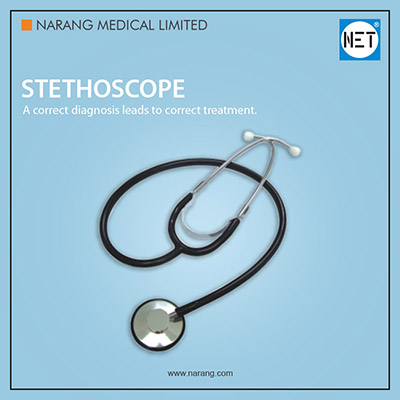
NET Stethoscopes: Diagnose with confidence!

Stethoscopes are often considered as a symbol of the doctor's profession, as doctors are often seen or depicted with a stethoscope hanging around their neck.


Auscultation is listening to the internal sounds of the body, usually using a stethoscope. Auscultation is performed for the purposes of examining the circulatory and respiratory systems, as well as the alimentary canal. Auscultation, used together with monitoring blood pressure is a fundamental diagnostic measure in medical practice. Read more

Thursday, May 7, 2020

NET Facts!


Narang Medical Limited is India's most reputed manufacturer & suppliers of Medical Equipment, Surgical Instruments and Hospital Supplies. Our top selling products are Hospital Furniture and Orthopaedic Implants. Started as a small enterprise in early 1950's, the company got incorporated in 1989 and has since continued to expand its horizons to new markets around the world, providing quality products and the best of services. The present average annual growth rate in export sales is impressive 40%. Read more

Monday, March 30, 2020

NET COVID-19 Products to help caretakers in their fight against the coronavirus

In our endeavor to contain and restrict the widespread of the COVID-19, we have compiled all necessary products being used to diagnose, treat or protect the humans and the medical fraternity in this special 'COVID - 19 Products Category'. COVID-19, as we all know by now is a novel Coronavirus with new strain that has not been previously identified in humans. It belongs to Coronavirus (CoV) such as Middle East Respiratory Syndrome (MERS-CoV) and Severe Acute Respiratory Syndrome (SARS-CoV). View complete product list


Monday, February 3, 2020

NET External Fixation System: Fix with confidence!

Narang Medical Limited offers high quality external fixation system that comprises of external fixators for Forearm and Metacarpals, Tubular external fixators and Ilizarov external fixator system. View more


Friday, January 10, 2020

Loyalty is not won by being first. It is won by being best.


We attribute this success to our philosophy of 'putting patients first'! Since the very first day of our inception, we have firmly believed that the life is precious and no compromises should be made. Unlike few of our competitors, we do not compromise on quality in exchange for cheaper prices. We have always focused on the safety of patients and how our products can help patient recover faster. Read more ... 

Thursday, September 5, 2019

NET Dental Chairs: Comfortable for Both the Patient and Dentist

NET Dental Equipment ensure ease in treatment so that the patient already in pain doesn't have to suffer discomfort any more.

One of our top most selling products in Dental care range is Dental chair. When one thinks of the dentist, the dental chair is one of the images that strikes the mind first. Dental chair, therefore, is actually a tool which aids both the dentist and the patient. Without having a proper dental chair, a dentist can hardly think of doing his job efficiently. A dentist should choose the best model among dental chairs available. While choosing a dental chair, a dentist should always go for the one that is comfortable for both  him and the patient. 
 
Some of the principal features of the NET dental chair are: 
 
- Independent up & down movement and backrest movement of the chair.
- Right arm movable in up down position, for easy seating of the patient
- Doctor’s stool with adjustable height
- Movable foot control
- Movable assistant arm       
- Very Movable Glass Spittoon
- Cup filler with option for warm & normal water
- Programmable water flow in cup filler.
- wide instrument tray
- Feather touch control panel present of delivery unit. 

NET Dental chairs are available in premium, economic and normal range. Other products in this product category are dental air compressor, ultrasonic dental scaler, dental light care unit and ENT unit equipment.


Thursday, July 25, 2019

We supply to over 80 countries!

Since 1989, Narang Medical Limited has been supplying high quality medical equipment, devices and hospital consumables. Today, we have positioned us as No. 1 manufacturer and supplier of Orthopaedic Implants & Instruments. We are FDA 510(k), CE & ISO approved. Also, we are certified as Star Export House company by the Government of India.


Wednesday, July 24, 2019

Patients First

We started as an enterprise almost 80 years back in the newly independent India, got incorporated in the year 1989 and now as a trusted multinational company have offices and representation in over 80 countries. We attribute this success to our philosophy of 'putting patients first'! Since the very first day of our inception, we have firmly believed that the life is precious and no compromises should be made. Unlike few of our competitors, we do not compromise on quality in exchange for cheaper prices. We have always focused on the safety of patients and how our products can help patient recover faster. Read Our Story


Tuesday, July 16, 2019

NET Support & Braces: Correct and treat painful conditions effectively

We usually don’t think about the great ability  we as humans own to amble around freely, curve, squat, kneel down, lift, throw or push boundlessly. Isn't  it true that a slight imagination of unable to goofing around due to a knee injury/displacement of leg joints, unable to outstretch your body due to cervical spine problem very frightful ? Isn’t watching one's grandparents always taking caretaker’s assistance to even take a small tour to the balcony, a painful sight?  It’s just a slight  injury or illness that can  take away those physical strength/ abilities and suddenly daily chores turns into something very distressing. 
            
If any disability/accident/surgery is encumbering anyone you know from walking, moving freely again like you used to do before, then one of the products from our widest range of Rehabilitation/ support systems may help regain mobility. Our Support & Braces help correct and or treat painful conditions effectively. The solid yet flexible rehab range includes Back/Lumbosacral Support, Abdominal Support, Cervical Support, Wrist Support, Knee/Ankle Support, Arm/Shoulder Support, Traction Kits Cervical, Pelvic, Skin & Ankle Traction Kits, Walking and General Aids that  aims to facilitate recovery from loss of function. 

Our Support & Braces are engineered to help patients reduce their dependency on others and achieve required mobility. With NET braces/ supportive systems, we are always behind your movement to ensure your well being and speedy recovery. View all NET products in this category here: https://www.narang.com/rehabilitation-products-aids


Monday, July 15, 2019

Partner with us!

Medical device industry is one of the fastest and safest growing industry. With 44+ Product Categories and over 19K+ Products, we are probably the biggest medical device company in the world. We are looking for the distributors in the areas where NET medical devices are not represented yet. If you wish to become distributor of our company in your area, then please fill the following form: 


Monday, July 8, 2019

NET Hospital Scrubs & Linen

NET brand reusable hospital scrubs are designed to be simple with minimum places for dirt to hide, easy to launder, and economical to replace if damaged or stained irreparably. We also offer high quality Disposable Scrubs for doctors, nurses and other healthcare personnel.

https://www.narang.com/hospital-scrubs-linens-manufacturers


Thursday, March 17, 2016

NET Hospital Furniture: So That You Do Your Best

We believe that the design of hospital furniture have the potential to positively affect how care givers think, work, and heal.  For a new hospital project, the management of healthcare space is a challenge. Therefore, hospital furniture must address this space issue. We suggest you to involve Narang Medical at an early stage of your new healthcare project or space so that the space be intelligently optimized. Apart from the durability, NET hospital furniture are designed and produced keeping safety, multitude of applications and functions in mind. 

We offer furniture directly related to patients and health care providers and also for medical office, waiting rooms and lobbies. Elegant looks, innovative designs and utility are highlights of our hospital/medical furniture. View complete range here: www.narang.com/hospital-medical-furniture or contact us at NET@narang.com


Wednesday, January 13, 2016

Narang Medical Limited Launches New Models in ICU Beds

Intensive Care Units of hospitals, all over the world use NET brand ICU beds manufactured and supplied by Narang Medical Limited  with confidence. The company has recently added new models in this category. The new ICU beds can be viewed here: www.narang.com/hospital-medical-furniture/hospital-beds-icu

NET brand ICU beds combine smart ergonomics with advanced technology and intuitive operation. The company provides electrical and mechanical ICU Beds which provide both safety and comfort to the patients and caregivers alike. ICU Beds are special hospital beds designed for ICUs to take care of critical patients.


Monday, November 30, 2015

Cardiac & Cardiothoracic Disposable Products Introduced

Narang Medical Limited has introduced a wide range of products for cardiaology and cardiac surgery that also includes cardiothoracic disposables. High quality and trust are hallmark of the products under this category and NET brand Cardiac & Cardiothoracic Disposable Products conform to the International standards. 

Whether you need Angiographic Catheters, Heart Valves, Balloon Catheter Set, Guiding Catheter, Stents, Vascular graft or Temporary Pacemakers, Narang Medical Limited offers widest range under this category of Cardiac & Cardiothoracic Disposable Products. In fact, we probably have most broad spectrum of products that meet the needs of the open heart surgeon! View complete product list here: www.narang.com/medical-disposables/cardiac-cardiothoracic-products